The Shire Valley Transformation Programme (SVTP) has pushed irrigation water delivery to May 2027 as contractors complete intake works and additional safety and water-control structures needed to supply farms in Chikwawa.
Speaking when the Parliamentary Agriculture and Irrigation Committee toured the project in Chikwawa yesterday, SVTP project coordinator Limbani Gomani said the temporary conveyance system at the intake area is not ready and is expected to be completed in January 2027.
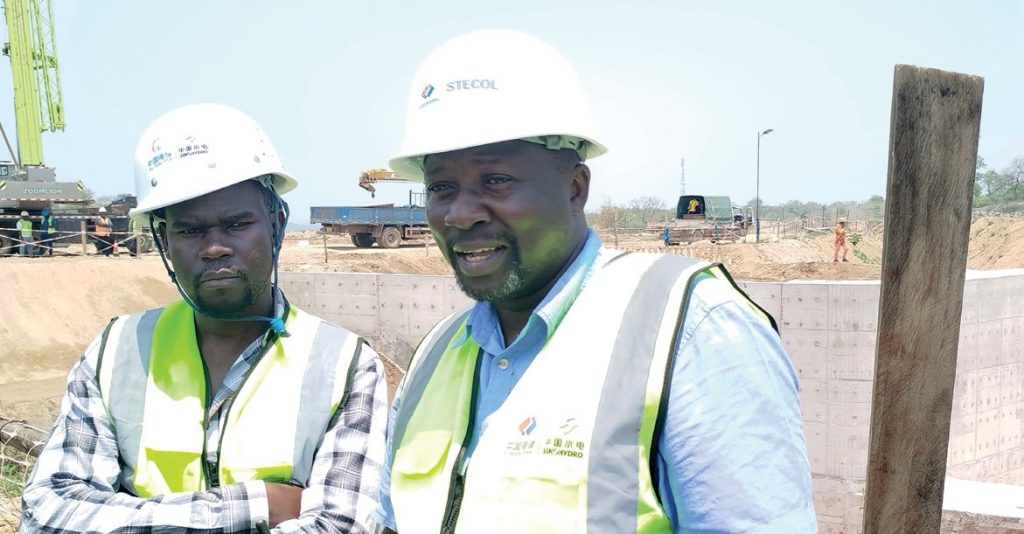
He said additional safety and water-control structures have also been introduced along the first 21 kilometres of the main canal.
“We can only bring water into the canal and subsequently to farms when these safety and control structures are ready,” said Gomani.
He said construction of the structures has started and is expected to be completed in April 2027, while installation of irrigation systems is due to begin in December this year.
Gomani said the remaining works in the Phase I project area require an additional $197 million (about K345 billion).
The first phase works include a 50-kilometre canal stretching from Kapichira intake to the boundary with Lengwe National Park..
Mwanaalirenji Cooperative chairperson Robert Makiyoni said farmers have been eager to begin irrigation because it could reduce their vulnerability to erratic rainfall and floods associated with rain-fed farming.
Meanwhile, Parliament’s Agriculture and Irrigation Committee vice-chairperson Chikondi Chisale said the committee recognises the need to balance quality construction with timely delivery of water to farmers.
The SVTP is a 14-year programme running from 2018 to 2031. It aims to irrigate 43 370 hectares in Chikwawa and Nsanje districts, with 48 400 households expected to benefit.
The project’s target water delivery dates have previously shifted from December 2024 to June 2025 and then October 2026.
The project is jointly financed by the World Bank, African Development Bank, Global Environment Facility and the Malawi Government. Its total cost is $519 million (K910 billion), comprising $234 million for Phase I and $285 million for Phase II.